Introduction
When it comes to insulating your home, making the right choice can have a profound impact on energy efficiency, comfort, and environmental sustainability. In recent years, homeowners and builders have been exploring eco-friendly insulation alternatives, and cork spray insulation has gained significant attention. In this article, we’ll compare cork spray insulation, spray foam insulation, and traditional insulation methods, providing you with an in-depth analysis to help you make an informed decision for your insulation needs.
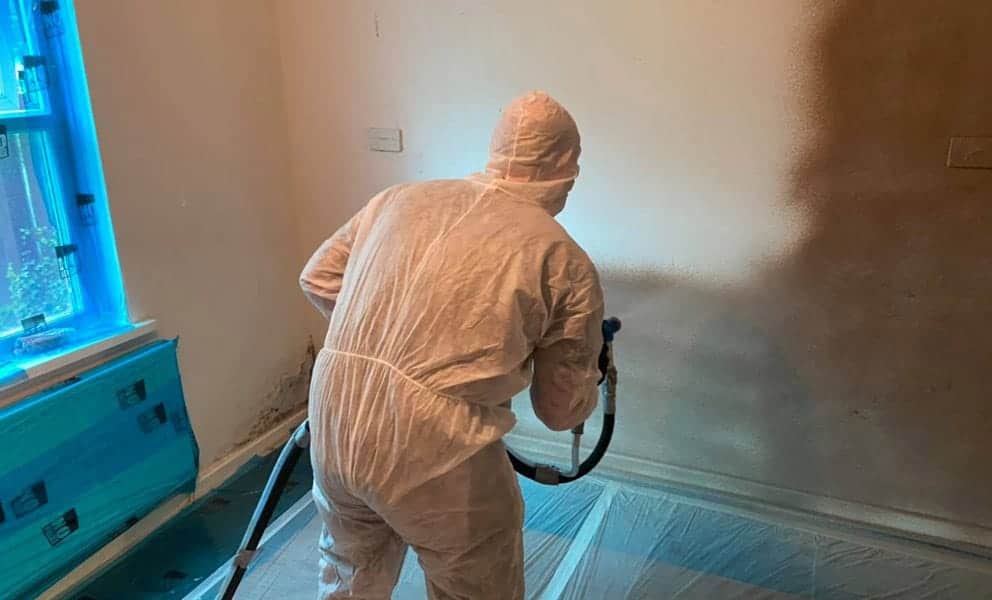
Comparison of Cork Spray, Spray Foam, and Traditional Insulation
| Feature Insulation | Cork Spray Insulation | Spray Foam Insulation | Traditional |
| Installation Process | Sprayed application | Sprayed application | Batt or blown in |
| Eco Friendliness | Highly sustainable | May contain chemicals | Varied depending on the type |
| RValue (thermal resistance) | RValue of around 3.6 per inch | RValue of 3.66.5 per inch | RValue varies by material |
| Air Sealing Capability | Excellent | Excellent | May require additional sealing |
| Moisture Resistance | Good | Excellent | Depends on material |
| Cost | Moderate | Moderate to high | Low to moderate |
| Longevity | Long lasting | Long lasting | Varies by material |
| Environmental Impact | Sustainable and renewable | May have environmental concerns | Varied |
| Sound Insulation | Good | Excellent | Moderate to good |
These estimates are approximate and may have change depending on the home. To get an accurate quote for your kitchen respray project, it’s advisable to contact professional respray services in your area.
FAQs (Frequently Asked Questions)
- What is cork spray insulation?
Cork spray insulation is an eco-friendly insulation material made from the bark of cork oak trees. It is ground into fine particles, mixed with an adhesive, and then sprayed onto walls and ceilings.
- What is spray foam insulation?
Spray foam insulation is a polyurethane foam that is sprayed into walls and ceilings. It expands to fill gaps and provides excellent thermal insulation.
- What is traditional insulation?
Traditional insulation includes materials like fibreglass batts, cellulose, or blown-in insulation. These materials are installed in a more conventional manner.
- Which insulation type is the most eco-friendly?
Cork spray insulation is considered the most eco-friendly option as it is sourced from renewable cork oak trees, which can be harvested without harming the tree.
- How do these insulation types affect energy efficiency?
All three insulation types can significantly improve energy efficiency. However, cork spray insulation and spray foam insulation tend to be more effective at air sealing, which minimises energy losses.
- Is cork spray insulation suitable for soundproofing?
Cork spray insulation offers good sound insulation properties, making it a suitable choice for reducing noise transmission.
- Do these insulations resist moisture?
Cork spray insulation and spray foam insulation have better moisture resistance compared to traditional materials. However, the effectiveness may vary depending on specific products.
- What is the cost comparison between these insulation types?
Cork spray insulation and spray foam insulation generally fall into the moderate cost range, whereas traditional insulation methods are typically less expensive.
- How long do these insulations last?
Cork spray insulation and spray foam insulation are long-lasting solutions. Traditional insulation materials may have varying lifespans, depending on the specific material used.
- Are there any environmental concerns with spray foam insulation?
Some spray foam insulation products may contain chemicals with potential environmental concerns. It’s important to choose low-VOC (volatile organic compound) options for a more eco-friendly choice.
Cork Spray Insulation
Cork spray insulation stands out as an environmentally responsible choice for insulation. It is made from the bark of cork oak trees, a sustainable resource that can be harvested without harming the tree. This renewable material is ground into fine particles, mixed with an adhesive, and then applied by spraying onto walls and ceilings.
Benefits of Cork Spray Insulation:
- Eco-Friendly: Cork spray insulation is sourced from renewable cork oak trees, making it an eco-conscious choice.
- Air Sealing: It provides excellent air sealing, reducing drafts and heat loss.
- Sound Insulation: This insulation material is also effective at reducing noise transmission.
- Moisture Resistance: It has good moisture resistance properties, preventing mould and mildew growth.
Spray Foam Insulation
Spray foam insulation is a popular choice for its high R-value and exceptional thermal insulation properties. It is typically made from polyurethane foam and is sprayed onto surfaces, where it expands to fill gaps and voids.
Benefits of Spray Foam Insulation:
- High RValue: It offers a high R-value, providing effective thermal insulation.
- Air Sealing: Spray foam provides excellent air sealing, minimising air infiltration.
- Energy Efficiency: It can significantly reduce heating and cooling costs.
- Moisture Resistance: Most spray foam products have good moisture resistance properties.
Traditional Insulation
Traditional insulation methods include materials such as fibreglass batts, cellulose, or blown-in insulation. These materials are installed in a more conventional manner.
Benefits of Traditional Insulation:
- Affordability: Traditional insulation is often less expensive than cork spray and spray foam insulation.
- Availability: These materials are widely available and come in various forms.
- Variety: There are different options, including fibreglass, cellulose, and more, to suit specific needs.
Cost Comparison
Cork spray insulation and spray foam insulation generally fall into the moderate cost range. The exact cost varies depending on factors like the area to be insulated, labour costs, and the specific product chosen. Traditional insulation methods are typically less expensive.
Environmental Considerations
Cork spray insulation is the most environmentally friendly choice of the three. Cork oak trees are a renewable resource, and the bark can be harvested without harming the tree. The production process is energy efficient and produces minimal waste. Cork spray insulation is also biodegradable.
Spray foam insulation may have environmental concerns if it contains certain chemicals, but there are low-VOC options available that are more eco-friendly. Traditional insulation materials can vary in their environmental impact, depending on the specific material used.
Longevity
Cork spray insulation and spray foam insulation are known for their longevity. When properly installed and maintained, they can last for several decades. Traditional insulation materials may have varying lifespans, depending on factors such as material type and installation quality.
Conclusion
Choosing the right insulation for your home is a decision that should consider various factors, including cost, energy efficiency, eco-friendliness, and specific needs. While cork spray insulation, spray foam insulation, and traditional insulation each have their advantages, the choice ultimately depends on your preferences and requirements.
Cork spray insulation is a sustainable and eco-friendly choice that excels in air sealing and sound insulation. Spray foam insulation provides exceptional thermal performance and air sealing, but environmental considerations and costs may vary. Traditional insulation methods offer affordability and availability but may not provide the same level of air sealing and thermal performance.
When considering insulation for your home, it is advisable to consult with experienced coating professionals who can provide accurate estimates based on your unique needs.
It’s essential to assess your budget, environmental values, and the specific needs of your home when making the decision. Whichever insulation type you choose, improving your home’s insulation is a smart investment in energy efficiency and comfort.
Ready to transform your home into eco-friendly space with our insulation services? Contact us today to explore your options, get a personalised quote, and start your renovation journey today. Don’t miss the chance to enjoy a cost-effective and sustainable home. Reach out now!